
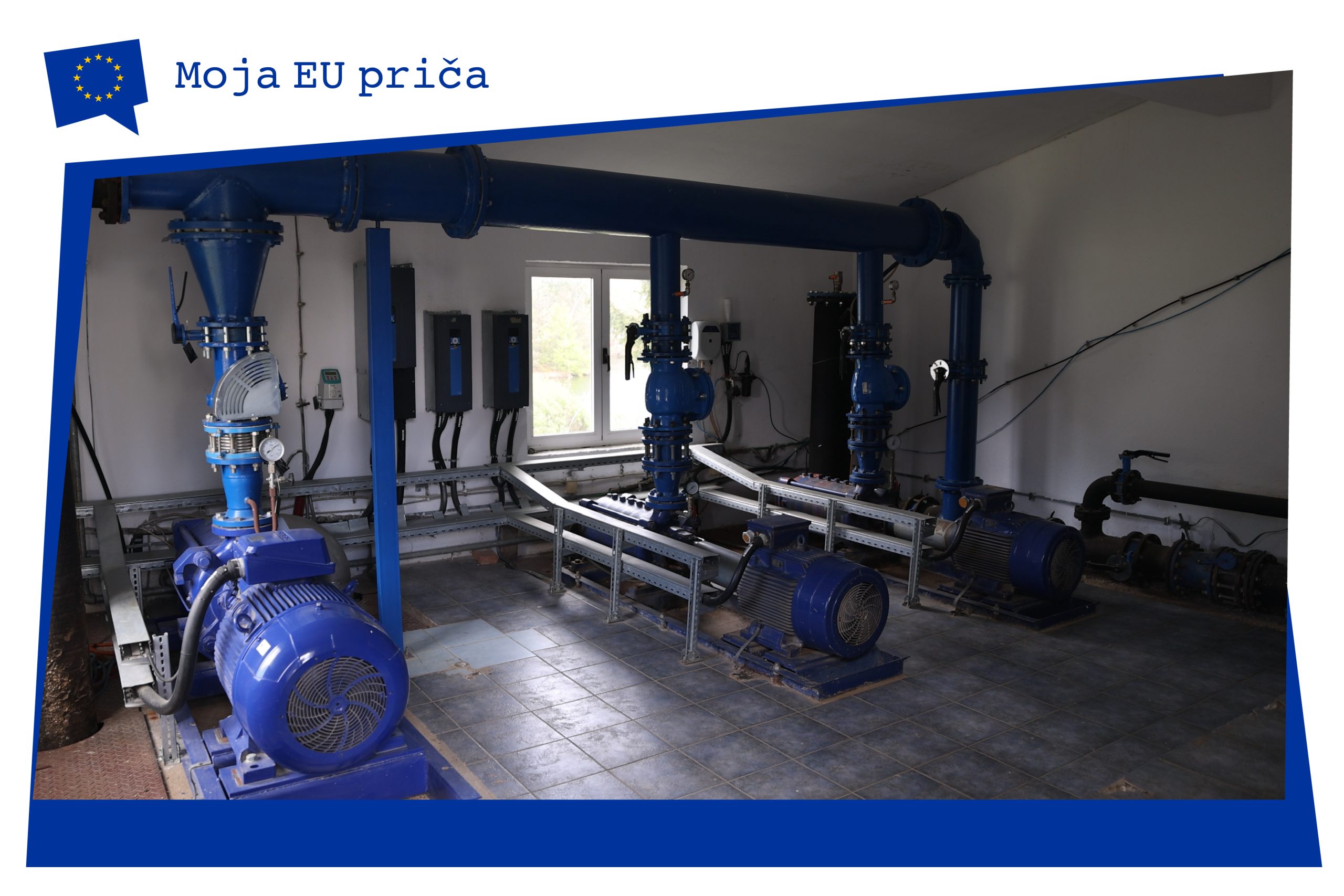
Long-standing summer reductions, an outdated distribution network, and unstable water quality from the Alagovac reservoir were part of everyday life for the citizens of Nevesinje for years. During dry periods, restrictions severely disrupted the quality of life and slowed down the development of this Herzegovinian municipality. With the support of the European Union, the European Investment Bank (EIB), and through close cooperation with international partners, a comprehensive project to modernise the water supply system has been implemented, permanently ensuring a stable source of clean and drinking water for the people of Nevesinje.
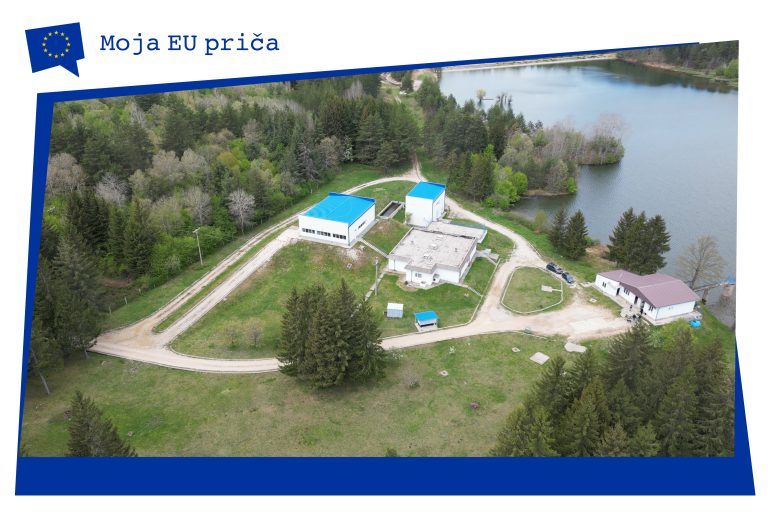
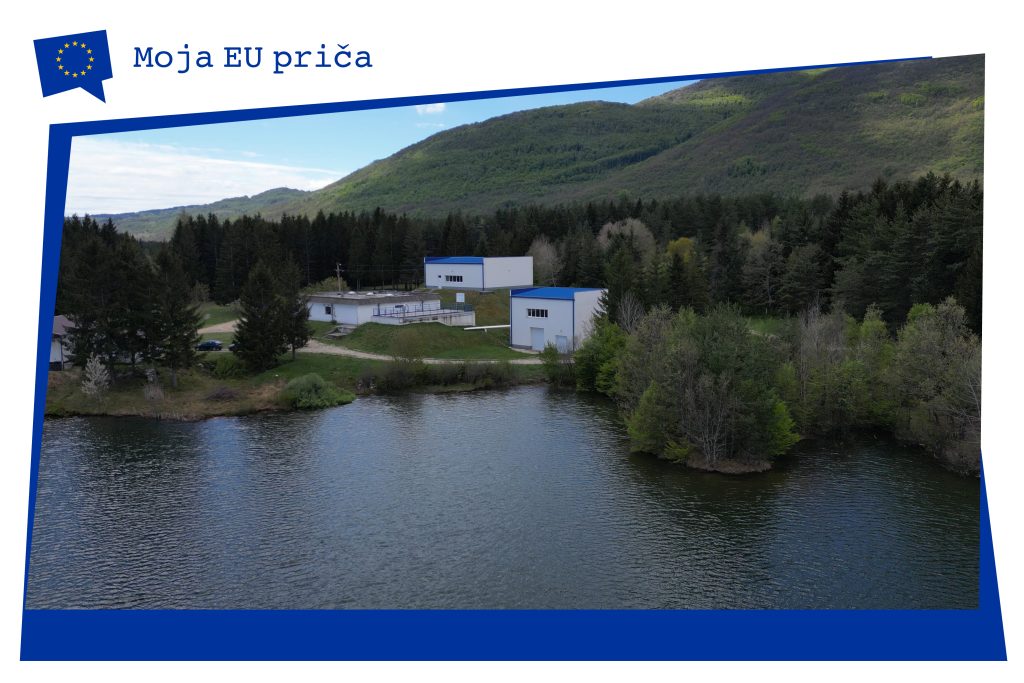
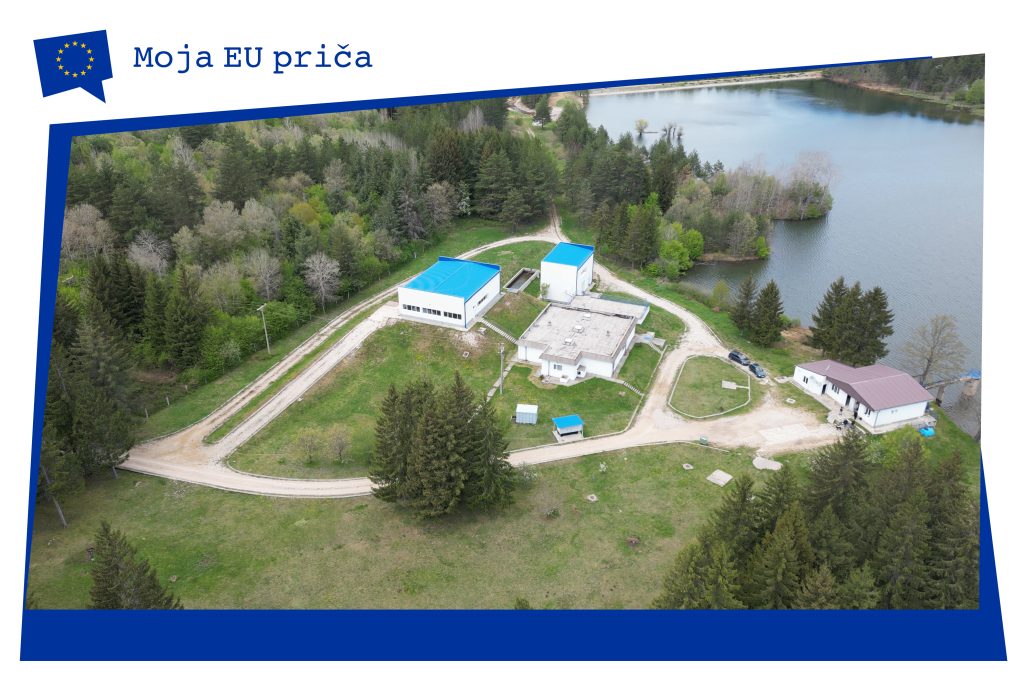
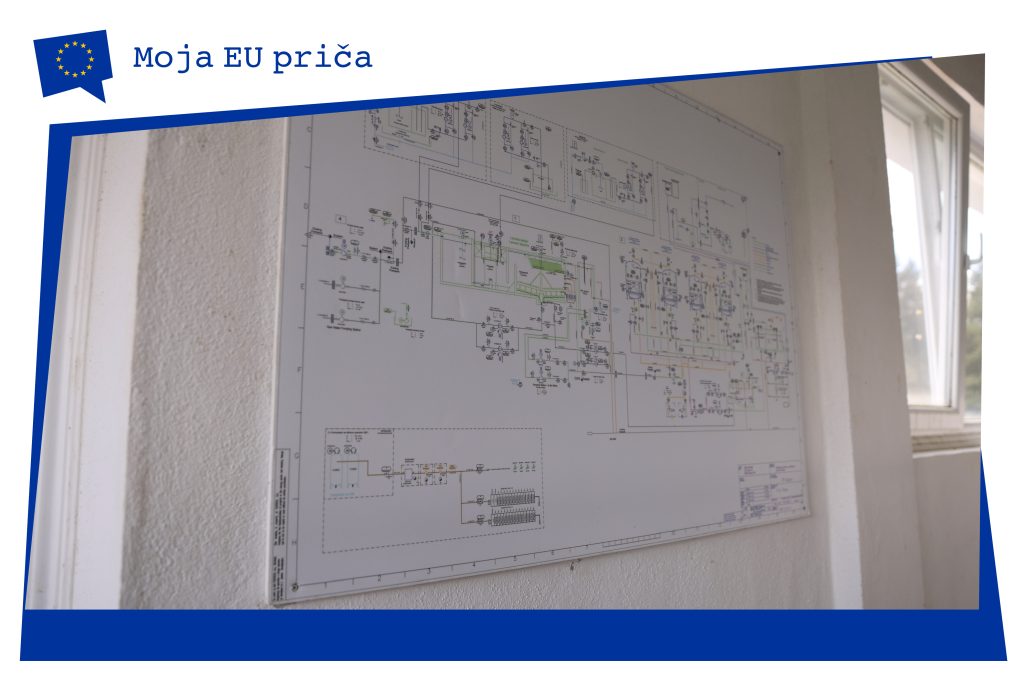
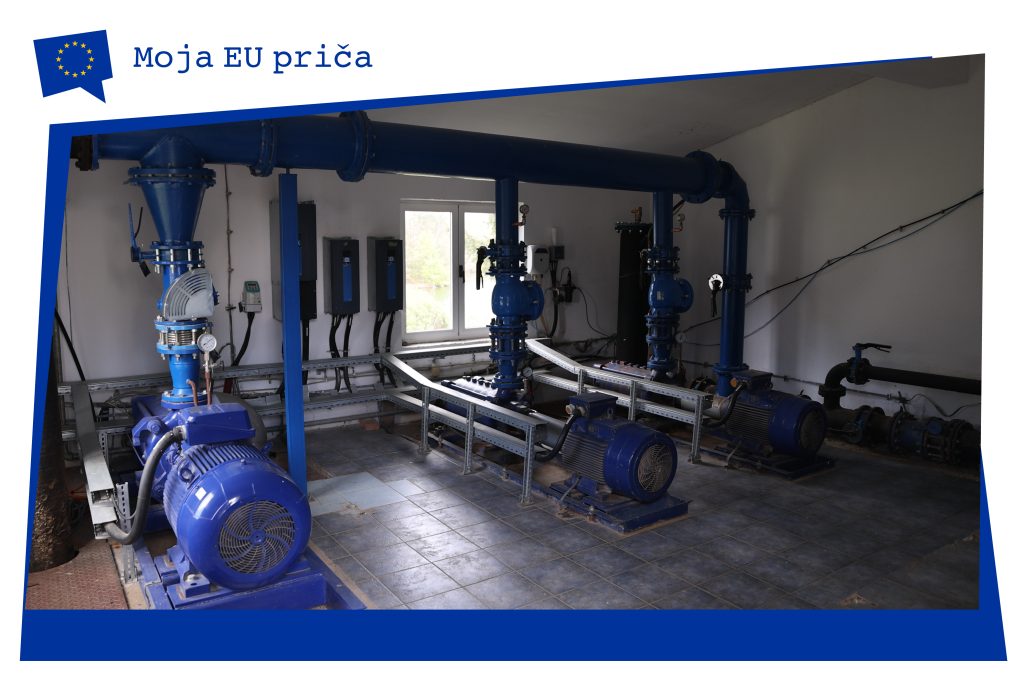
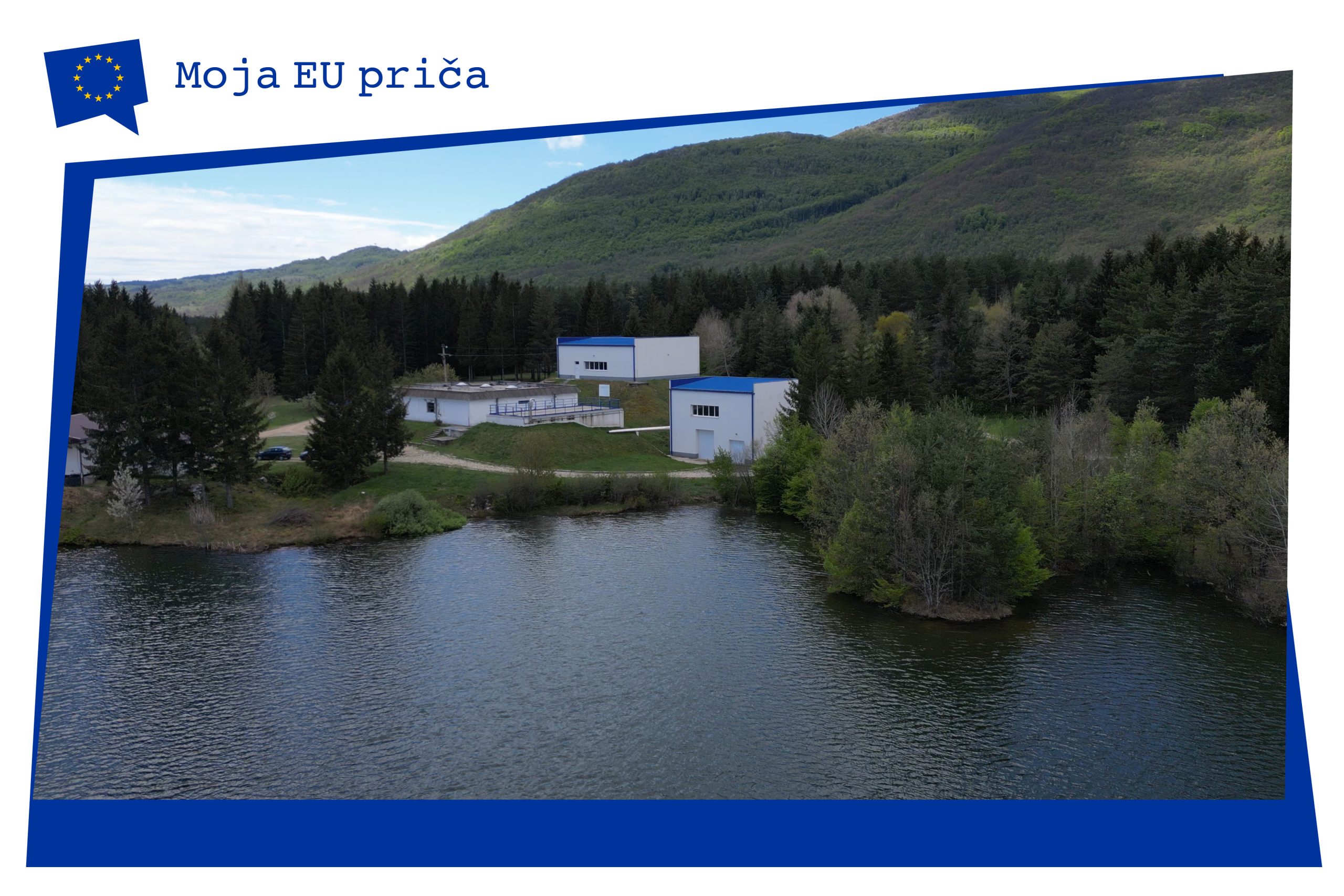
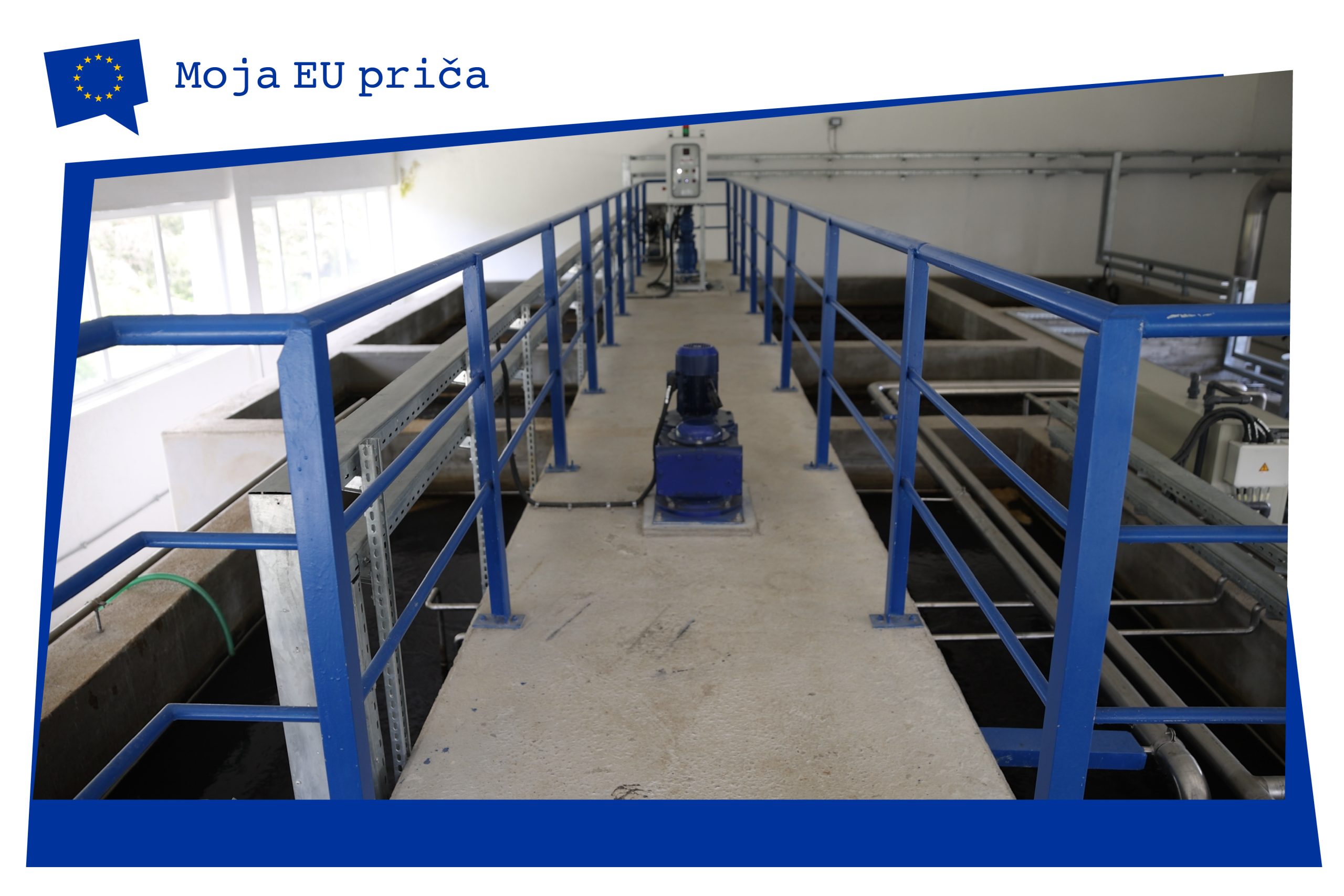
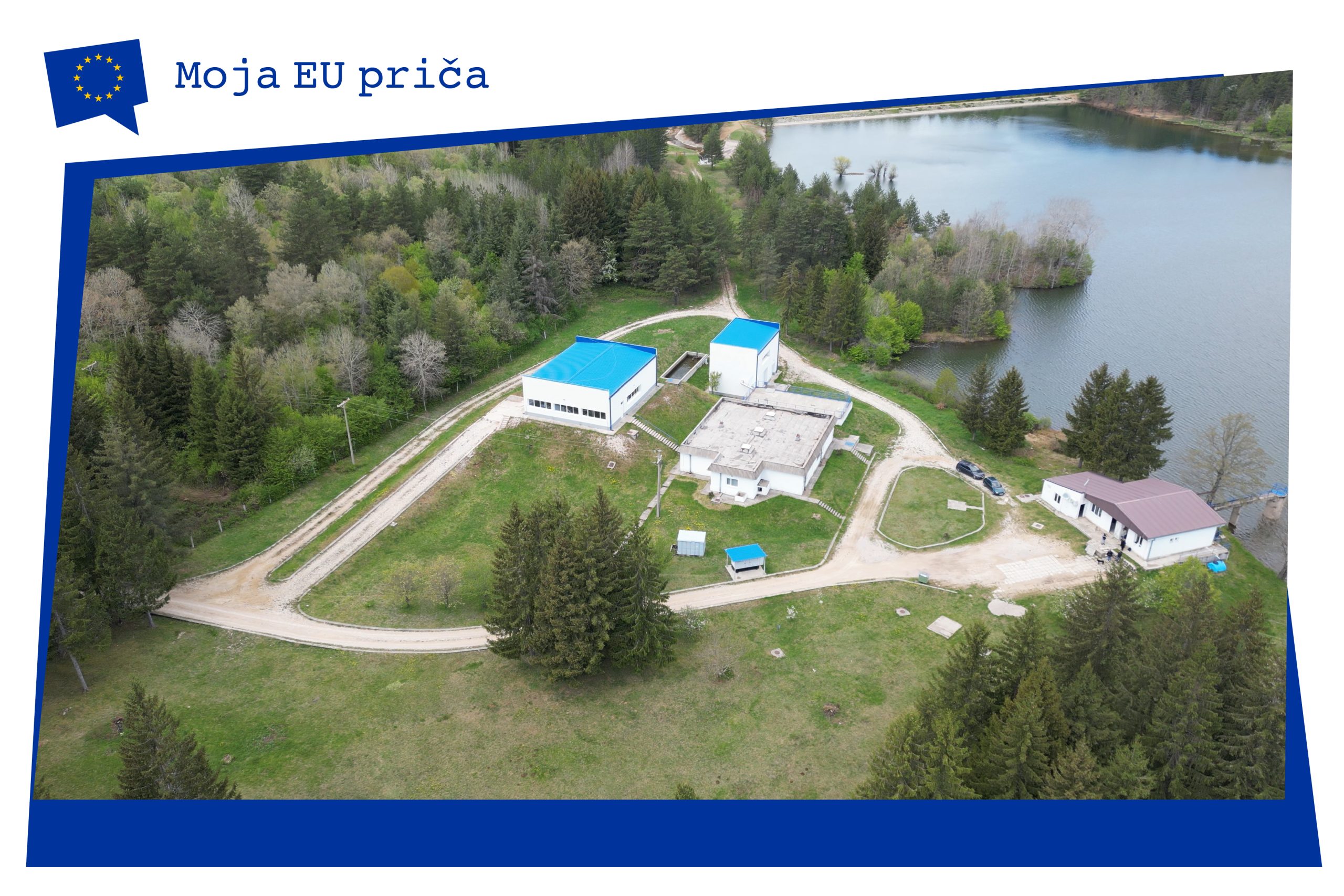
The project, implemented within the framework of the umbrella municipal infrastructure program (WATSAN), included the complete reconstruction and modernisation of the drinking water treatment plant at Lake Alagovac, in which around 3 million BAM were invested. Significant contributions were also made by partner institutions from Slovenia through development assistance, providing advanced filtration technology and facility equipment.
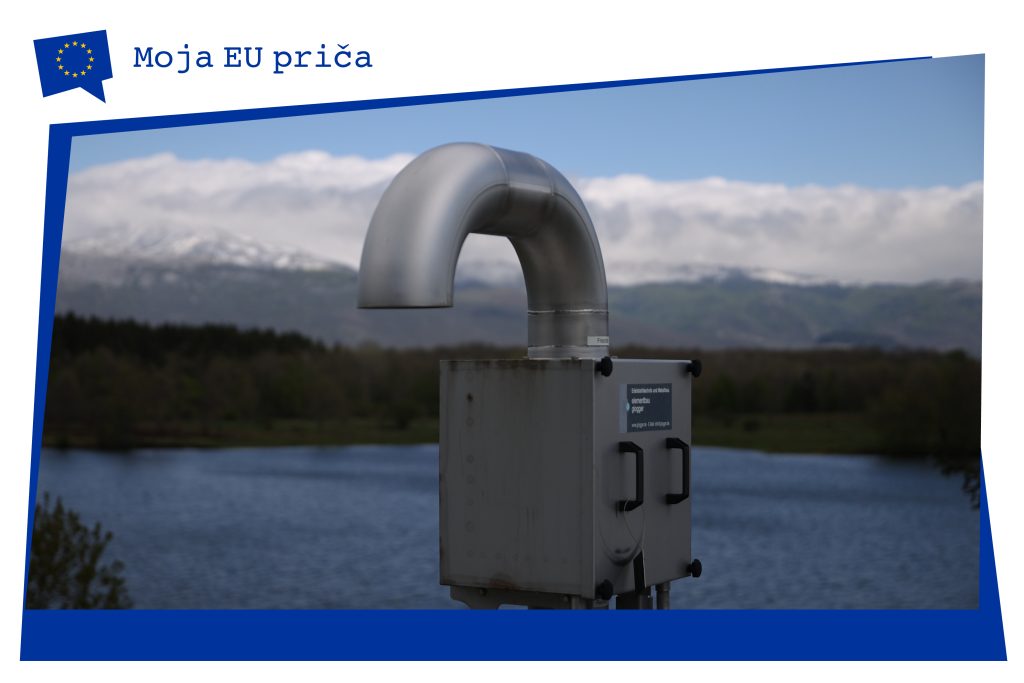
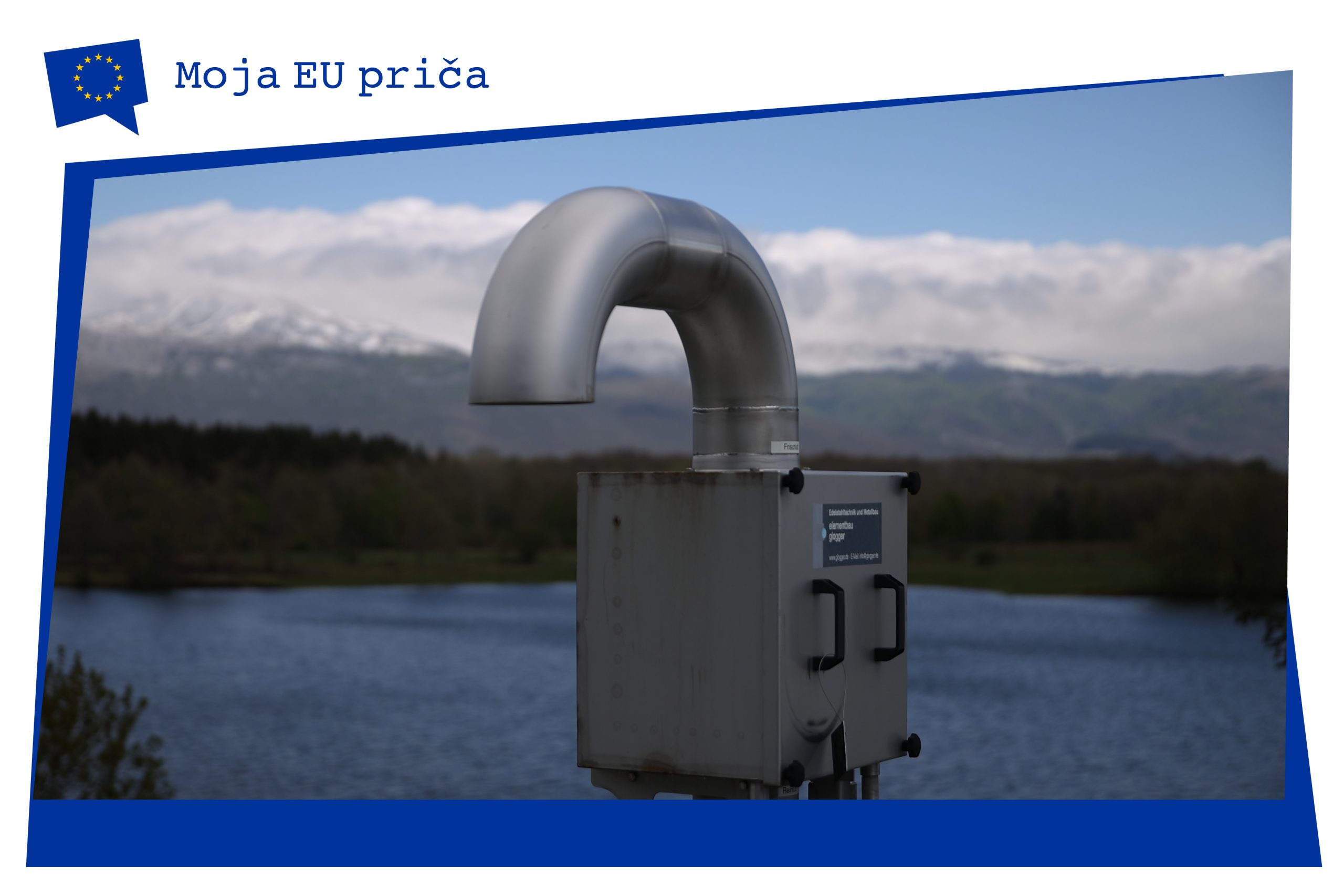
The backbone of this historic undertaking for the municipality consisted of the complete reconstruction and construction of a modern water treatment plant. The key source of the town’s supply, the Alagovac reservoir, is an artificial lake created by the construction of a dam back in 1963, and for decades back, the technology could not keep pace with the population’s needs for hygienically safe water.
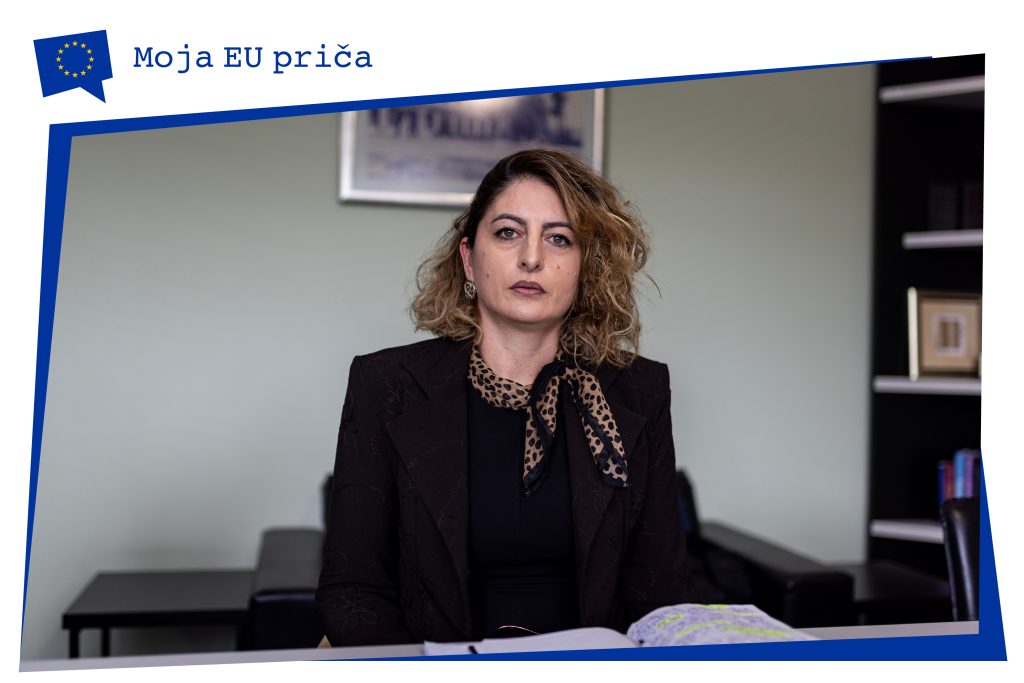
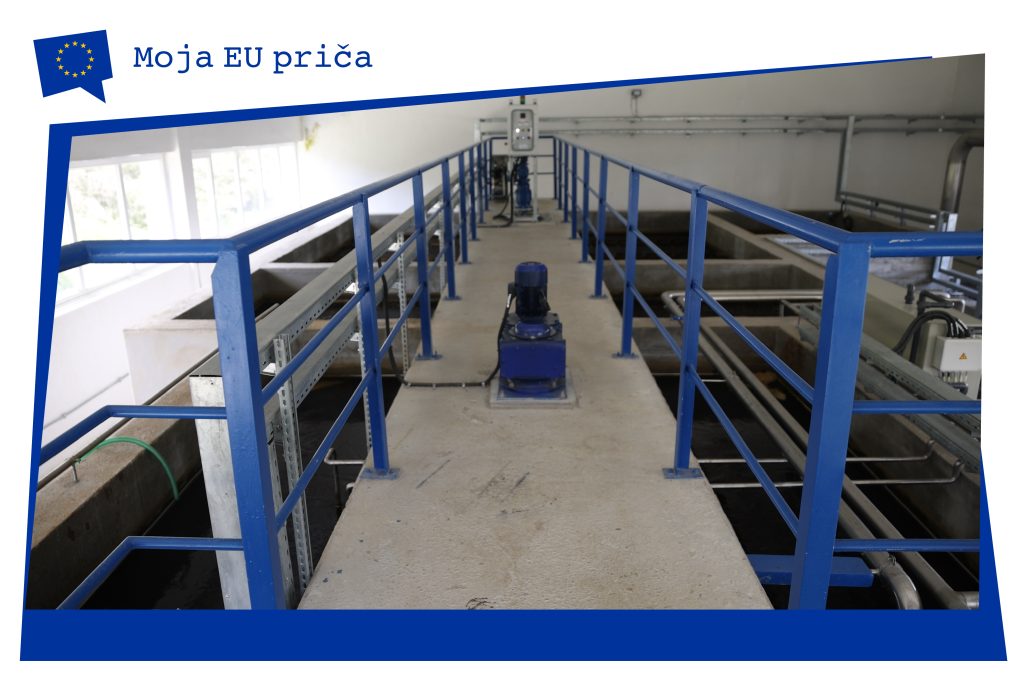
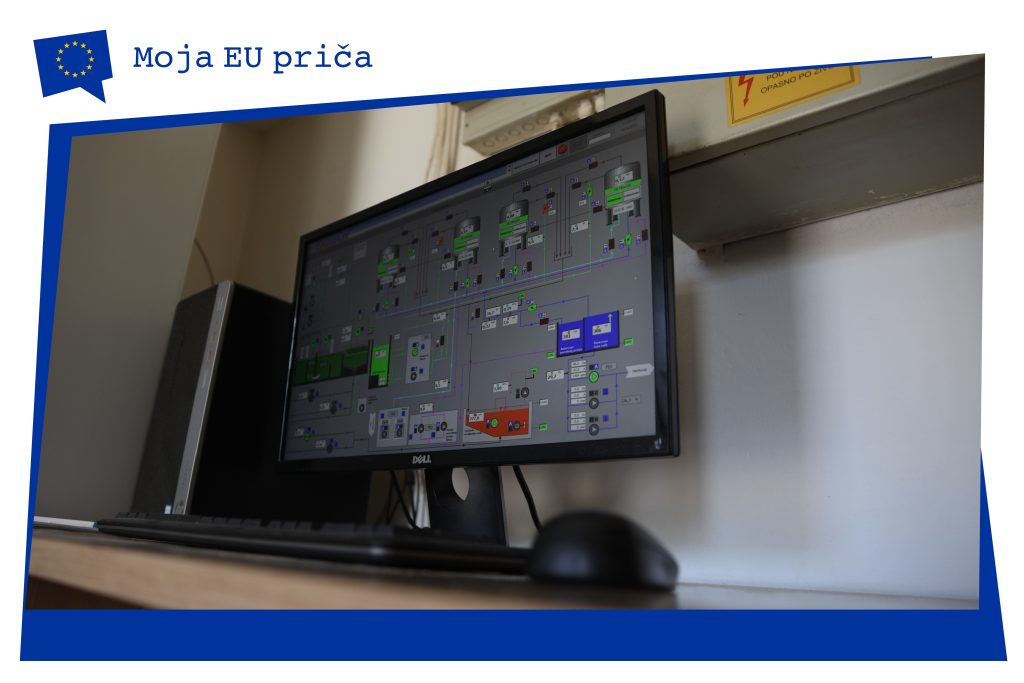
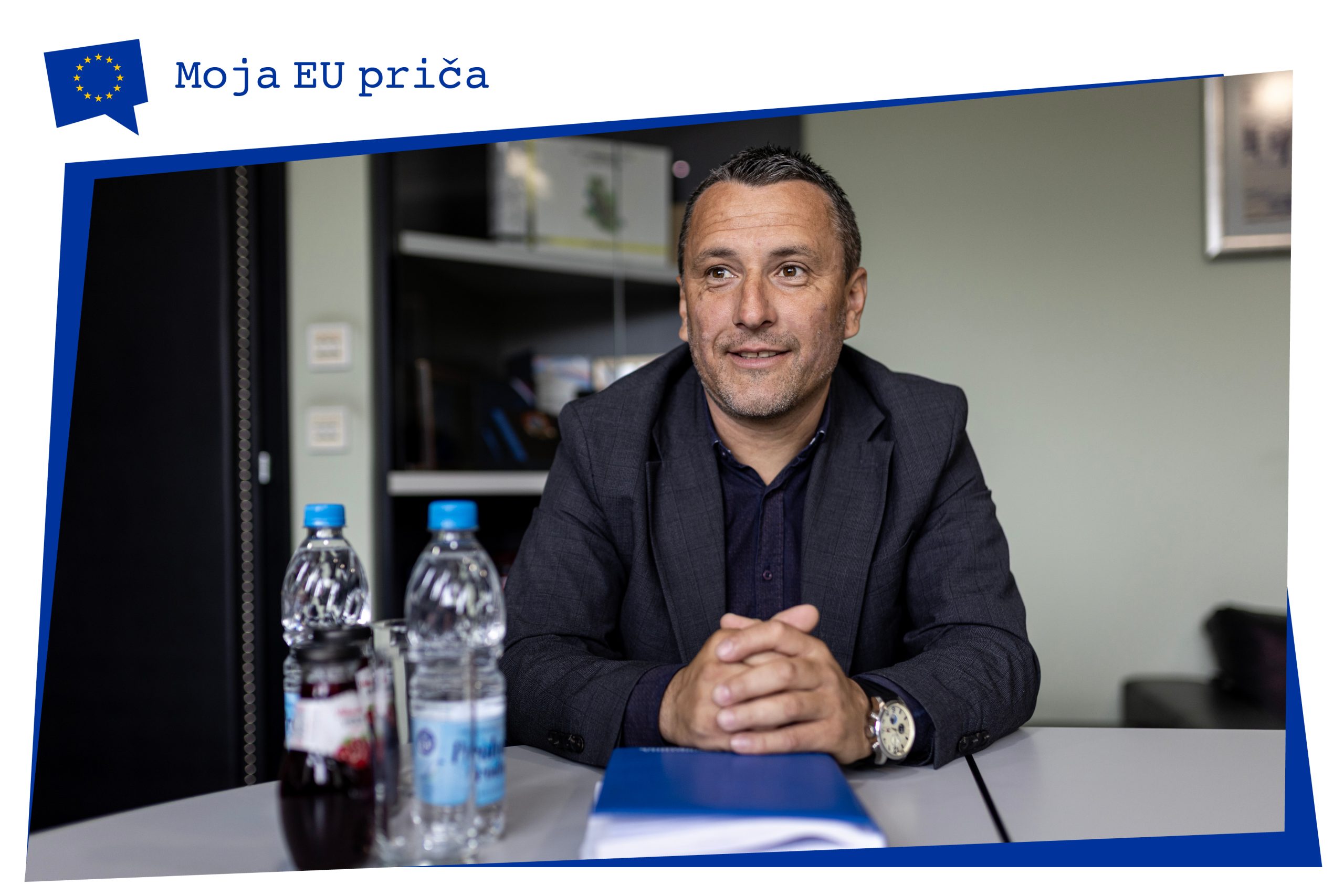
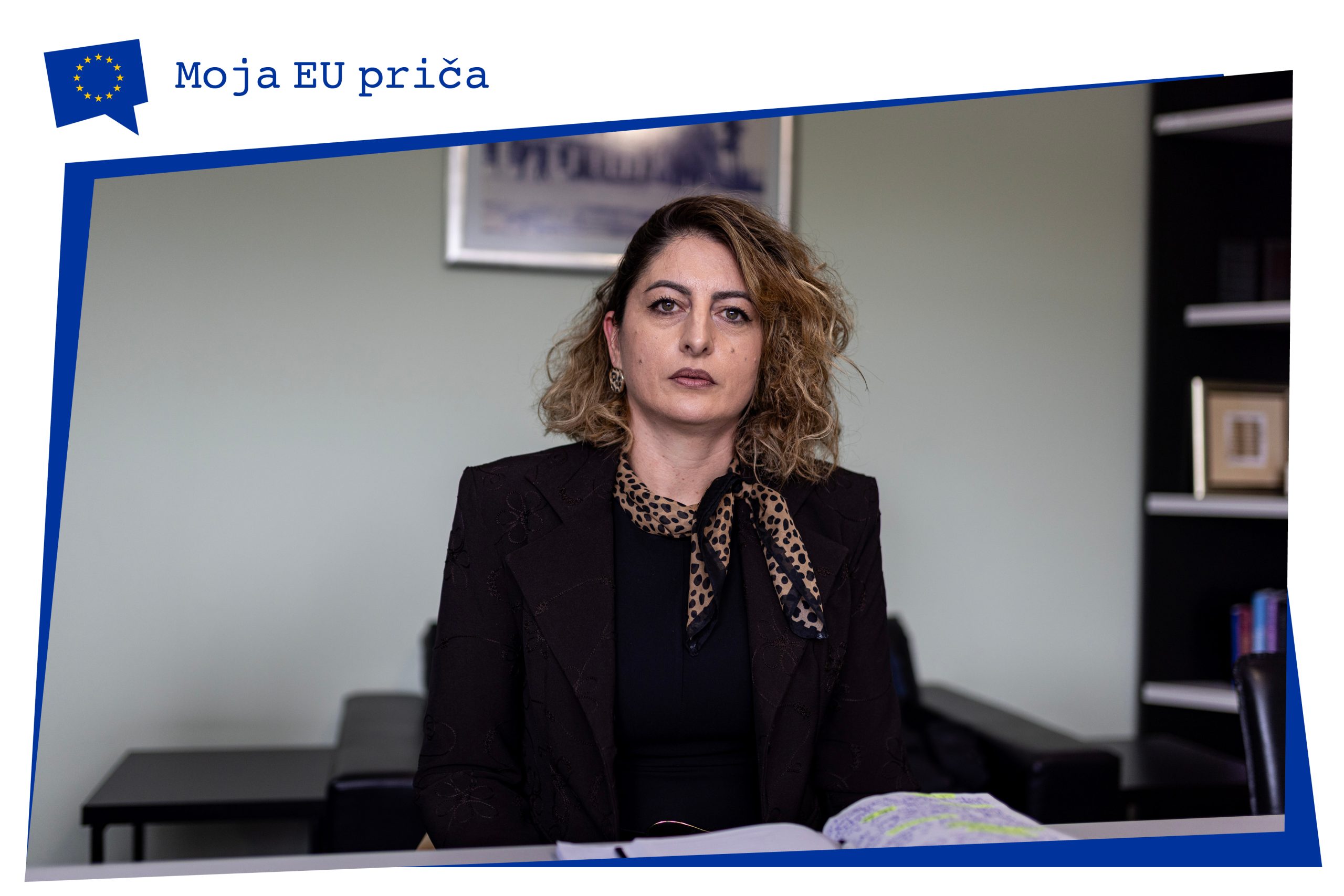
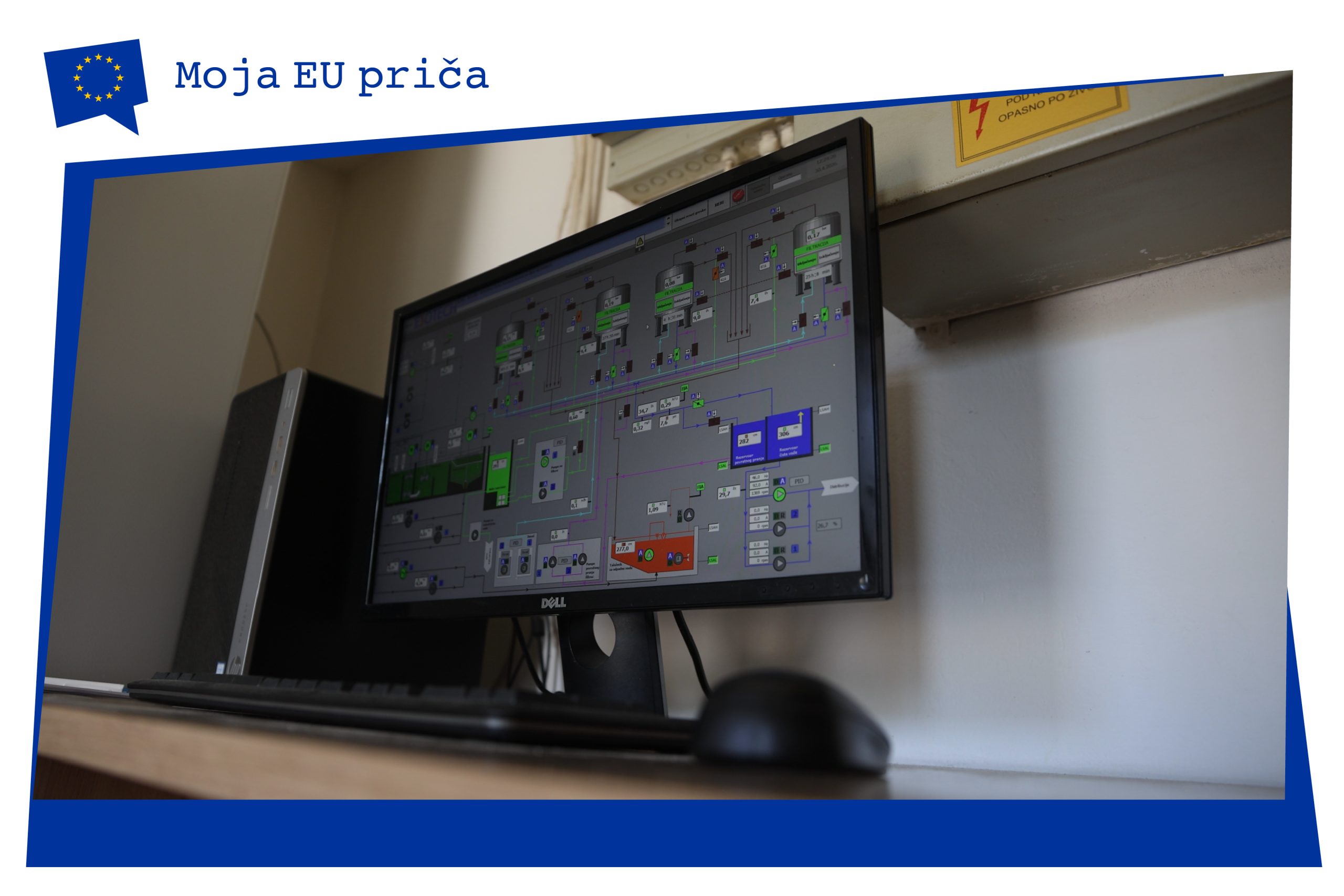
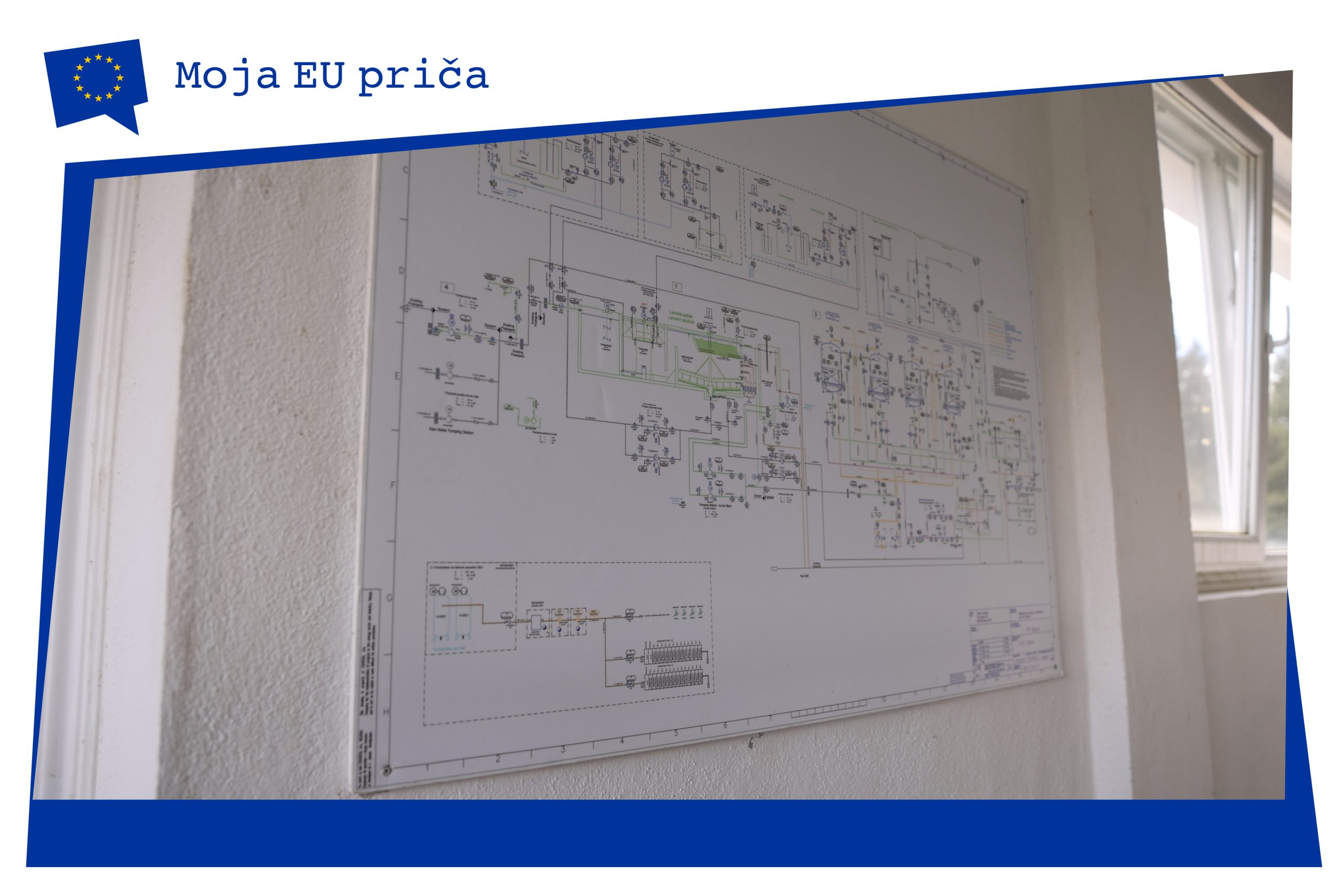
Maja Radovanović, director of the Public Utility Company “Vodovod” Nevesinje, explains how critical the situation was before the realisation of this project and how the system functions today. “Before the construction of this facility, or rather its commissioning in 2022, the water was not of adequate quality and the turbidity was not at a satisfactory level. A drinking water preparation plant was built at Alagovac, where fresh water passes through several processing phases, more precisely through 4 filters, and as an ultimate result, we have hygienically correct and clean water that we distribute to our consumers,” Radovanović points out.
In addition to the construction of the modern water factory itself, the project also brought key changes to the distribution network itself. The decades-long problem of the old system was not only water losses, but also materials that had long since become unacceptable in a modern society.
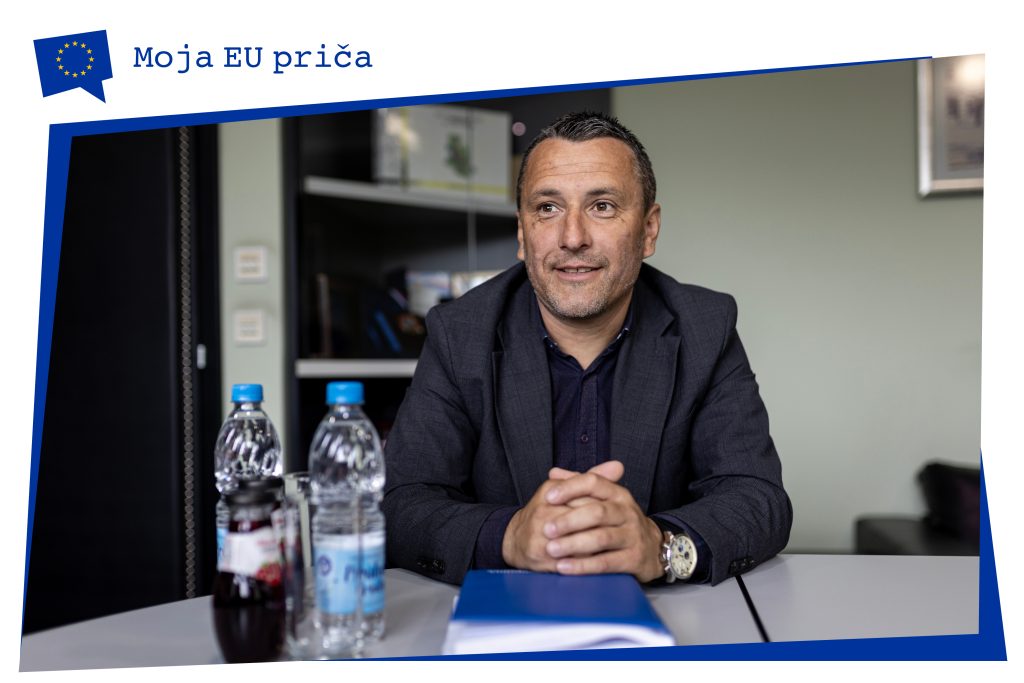
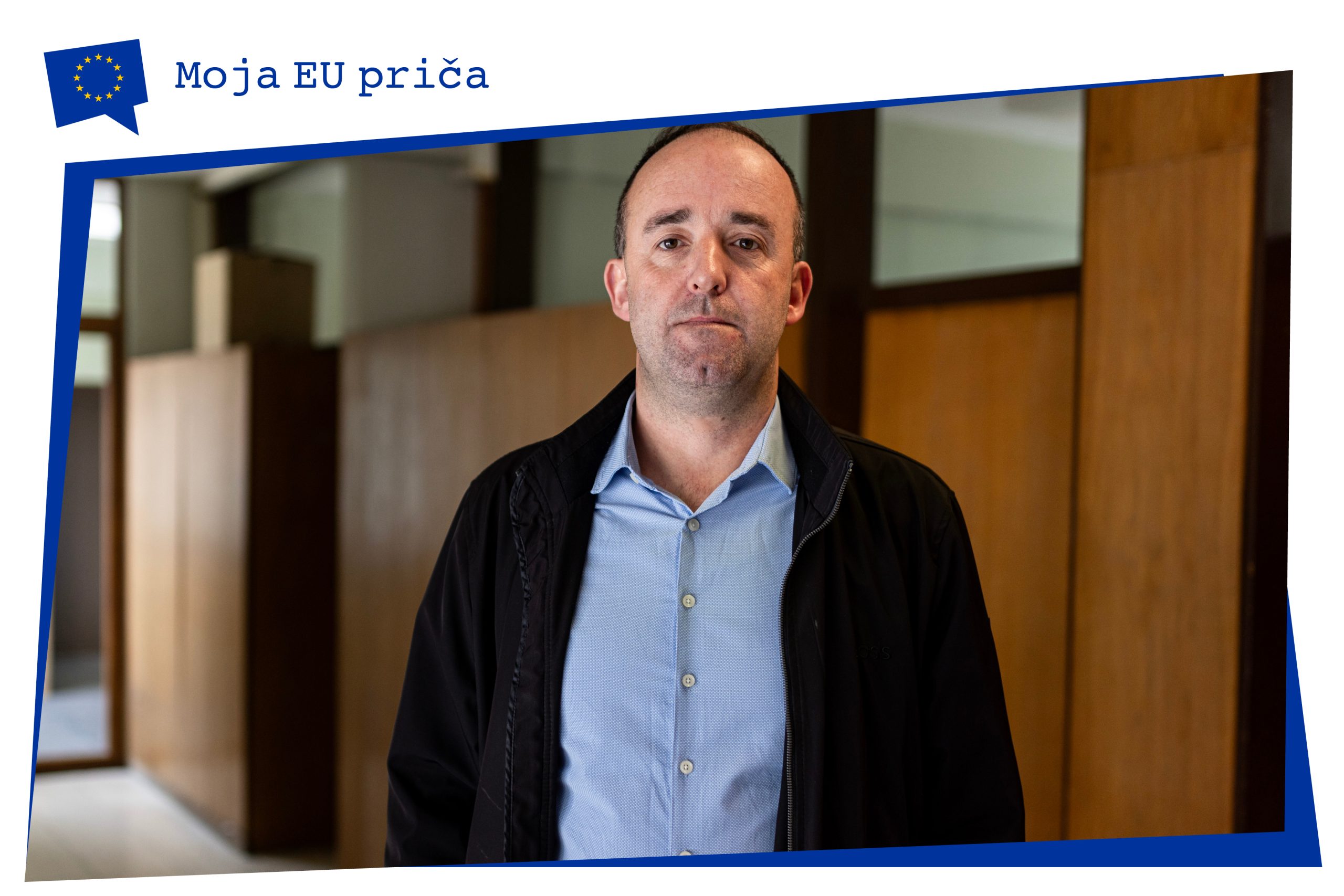
Bogdan Botić, deputy mayor of the Nevesinje municipality, emphasizes that a huge step forward in stability, but also in protecting the health of the population, was made through the investment. “We got a drinking water purifier, that is, a water factory. And indeed, with that water purifier, the municipality of Nevesinje and the population gained a lot. First of all, stability in the supply itself, and then, water that is usable for drinking, unlike in previous years when that water was truly unusable. Old asbestos pipes that are no longer used anywhere due to their harmful effects have been removed from the system,” Repović explains.
The effects of this major investment are best felt by the residents of Nevesinje themselves. In addition to solving a basic life necessity, the new infrastructure has brought significant economic and environmental benefits to every household, changing awareness about environmental preservation.
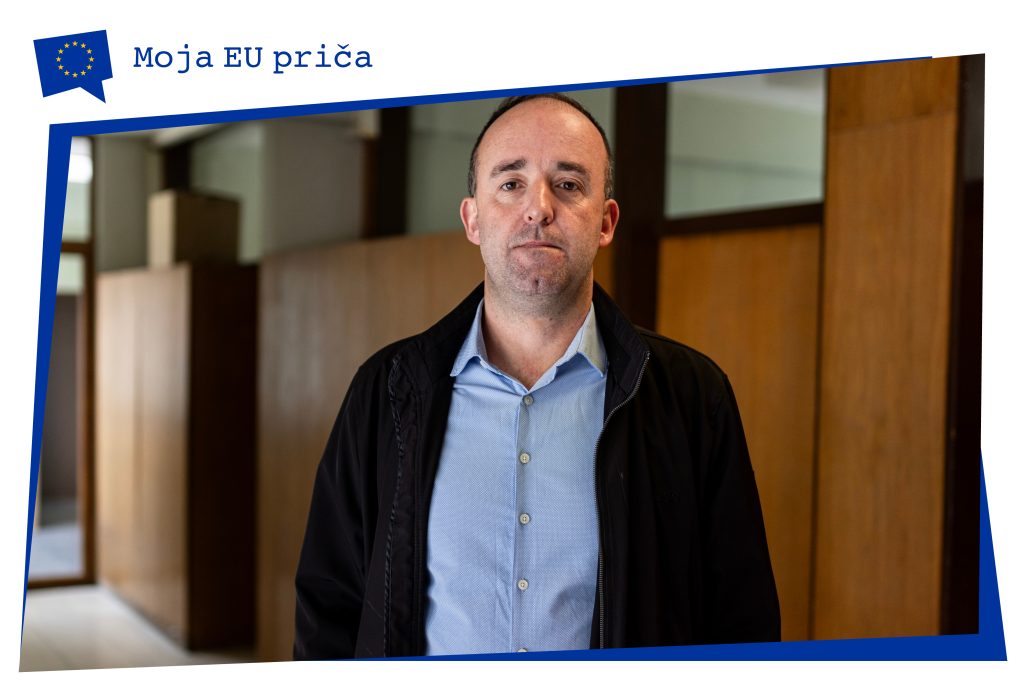
“Sustainability is both economic and ecological – we will buy less bottled water, plastic bottles will not be discarded, and thereby we protect our environment, and we also save money for ourselves,” says Jovan Jelačić, one of the residents of Nevesinje, emphasizing the importance of clean tap water for the entire community: “The water purifier is a very big thing for our entire municipality, because we know what water is – water is freedom, water is life, water is something without which there is no survival on the face of the earth.”
Improving public infrastructure, ensuring access to drinking water, and protecting natural resources remain among the key priorities of the European Union in Bosnia and Herzegovina. Through long-term support programs, the EU actively helps local communities across the country build sustainable systems that guarantee a better standard of living and a healthier environment for all citizens. Because a stable access to clean water has no alternative – water is life.